Your Cart
No products in the cart.
Free shipping on all orders over $450

What Naturally It Contains
Natural saponins, flavonoids and plant antioxidants.What it is
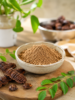
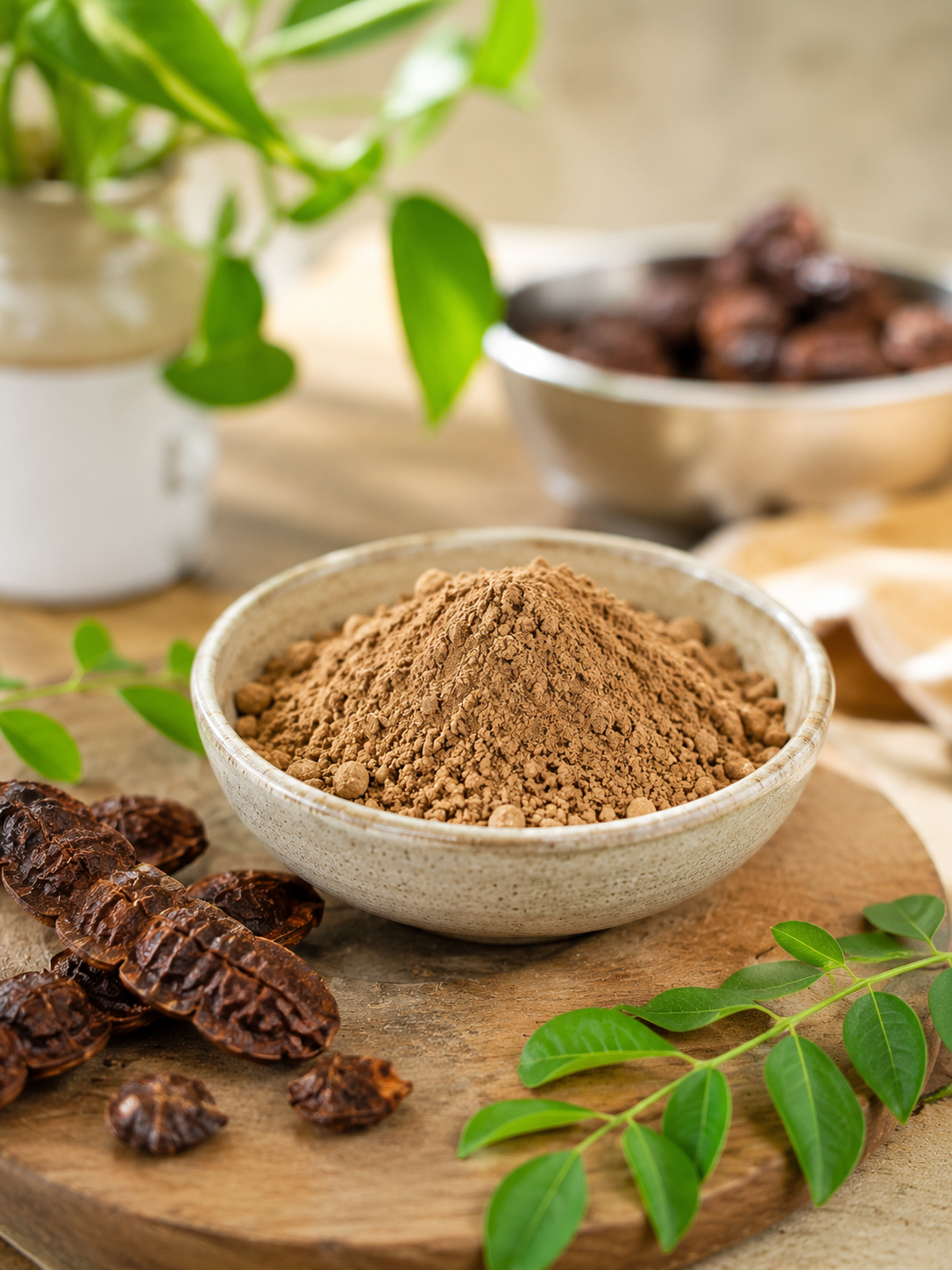
Shikakai has been used as a natural hair cleanser across Indian homes for generations. Derived from the fruit of the Acacia concinna plant, it naturally contains saponins, flavonoids and plant antioxidants that create a gentle cleansing action when mixed with water. Today, it remains one of the most widely recognised herbal alternatives to conventional shampoo.
The word shikakai translates to “fruit for hair,” a name that reflects how it has traditionally been used. Long before bottled shampoos became common, shikakai was part of the regular hair-wash ritual in Indian households. Mixed with warm water, applied at the roots and rinsed slowly, it was simply how hair was washed.
Unlike many modern cleansers, shikakai is naturally low in pH and is known for cleansing without leaving the scalp feeling stripped. It is traditionally used to remove excess oil, everyday buildup and impurities while helping maintain the scalp’s natural balance. Because of its gentle nature, many people choose to use shikakai regularly, including as part of a daily hair-care routine.
Beyond hair care, shikakai has also been used as a gentle cleanser for the skin. Mixed into a simple paste with water or milk, it forms a mild wash that cleans without the tightness often associated with soap-based cleansers.
What we carry is single-ingredient shikakai powder — dried and powdered. No additives. No fragrance. No fillers. Just shikakai, the way it has always been used.
Traditionally Used Alongside
Shikakai rarely worked alone. In many homes, Arappu was added when a softer, more conditioning wash was preferred. Reetha contributed extra cleansing and natural lather, while Amla was often mixed in for nourishment and shine. For more elaborate hair-care rituals, Bhringraj and Hibiscus were commonly included alongside shikakai as part of the same wash-day routine.
Also Known As / regional Names:
English: Shikakai Powder, Kannada: ಶಿಕಾಕಾಯಿ ಪುಡಿ, Hindi (Devanagari): शिकाकाई पाउडर, Tamil: சிக்காக்காய் பொடி, Telugu: శికాకాయ పొడి, Malayalam: ശിക്കാക്കായ് പൊടി, Bengali: শিকাকাই পাউডার, Marathi: शिकाकाई पावडरStorage Instruction
How to use
Mix 2–3 tablespoons of shikakai powder with warm water into a smooth paste.
Let the mixture rest for a few minutes before use.
Apply at the roots and work gently through the scalp and hair.
Rinse thoroughly with water. The lather will be lighter than shampoo — that is normal.
Mix a tablespoon of shikakai powder with water or raw milk.
Stir into a soft, spreadable paste.
Apply gently using slow circular movements.
Rinse thoroughly with water and pat dry.
What people say
Ravi
Verified customer
"good product"
Pairs well with
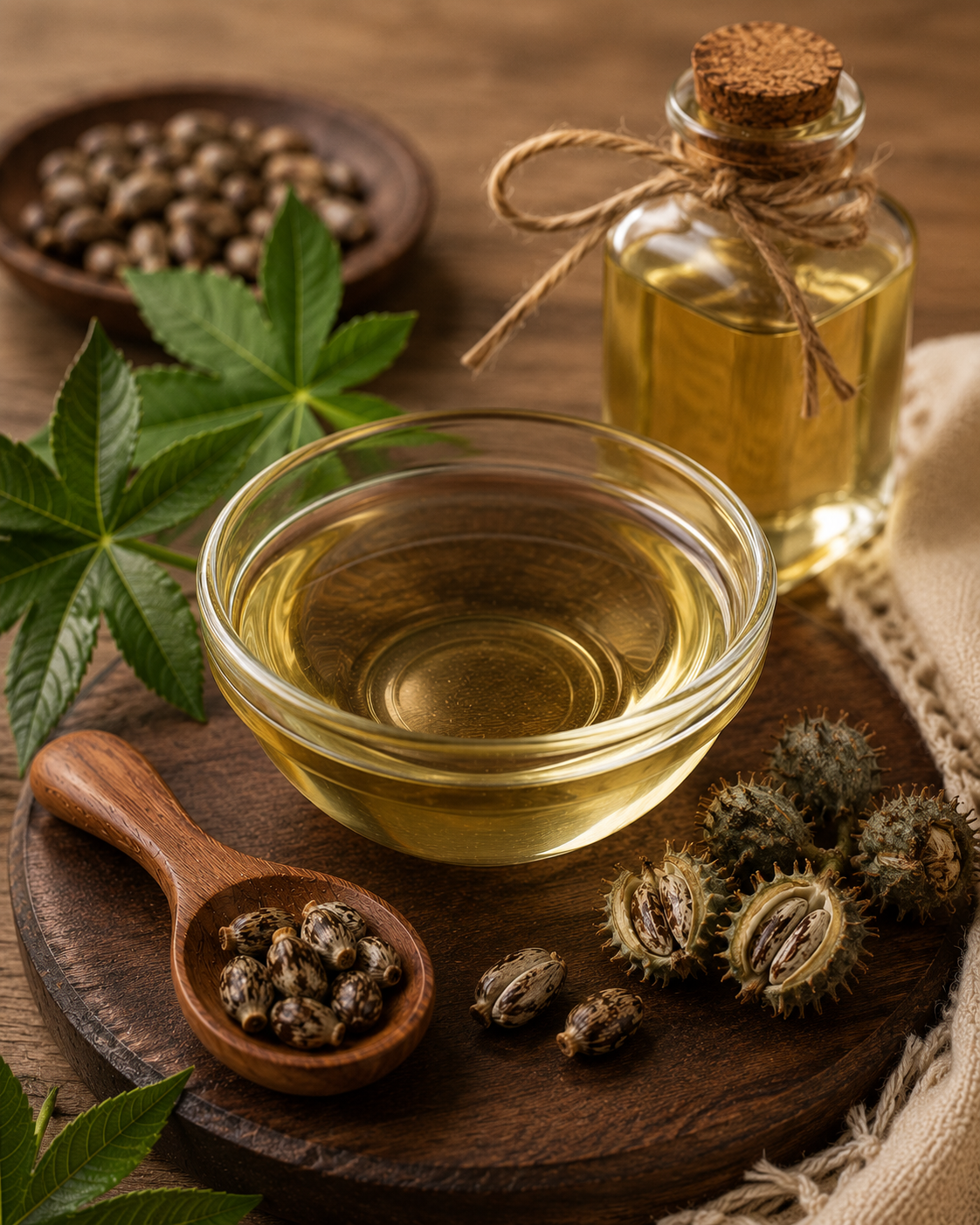
The oil that generations massaged into their roots. Traditionally used in scalp-oiling rituals for root care, hair-strengthening routines and nourishing hair from…
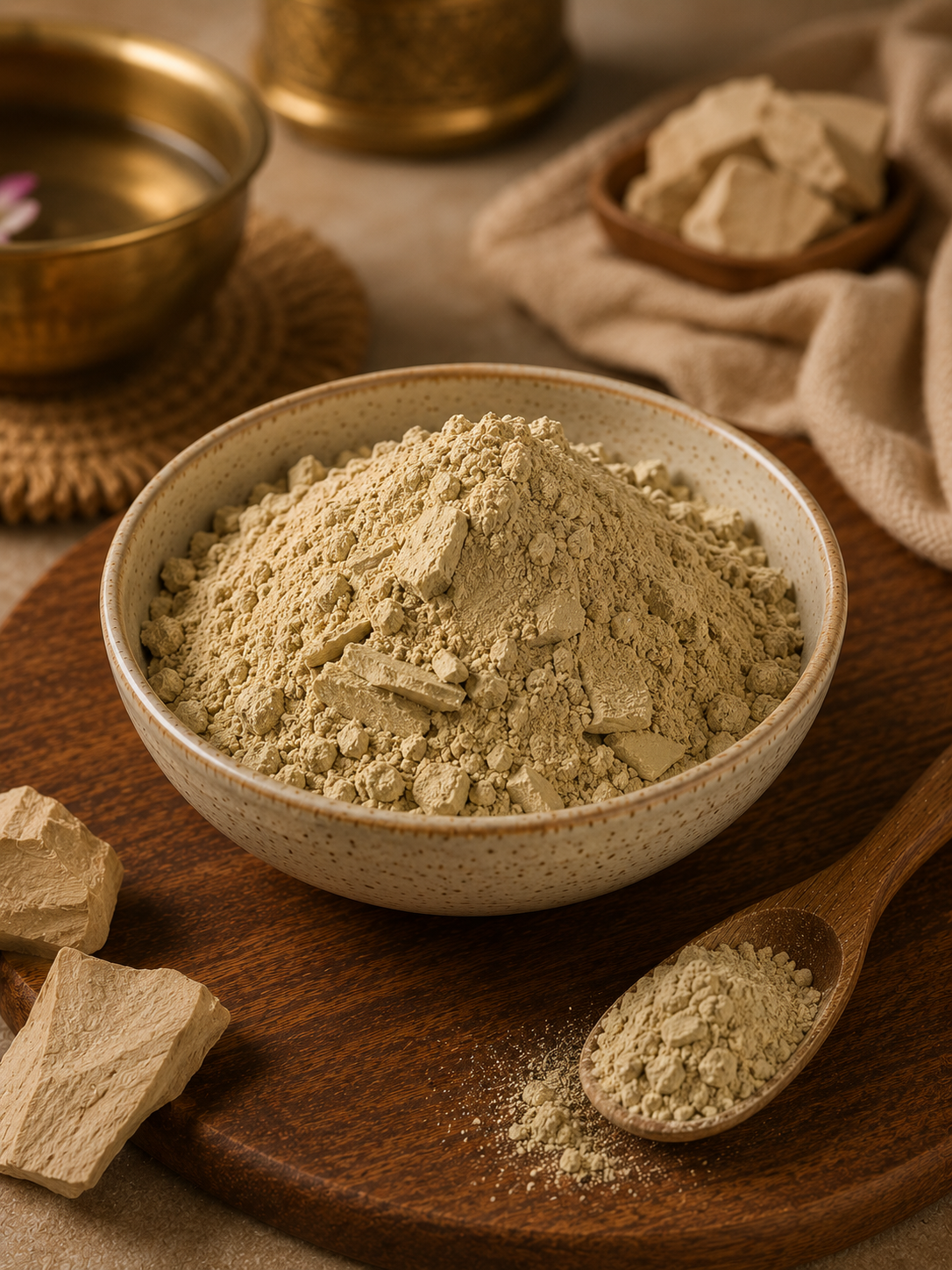
The face pack that generations trusted. Commonly used for oil control, deep cleansing and skincare rituals, Multani Mitti remains one of the…
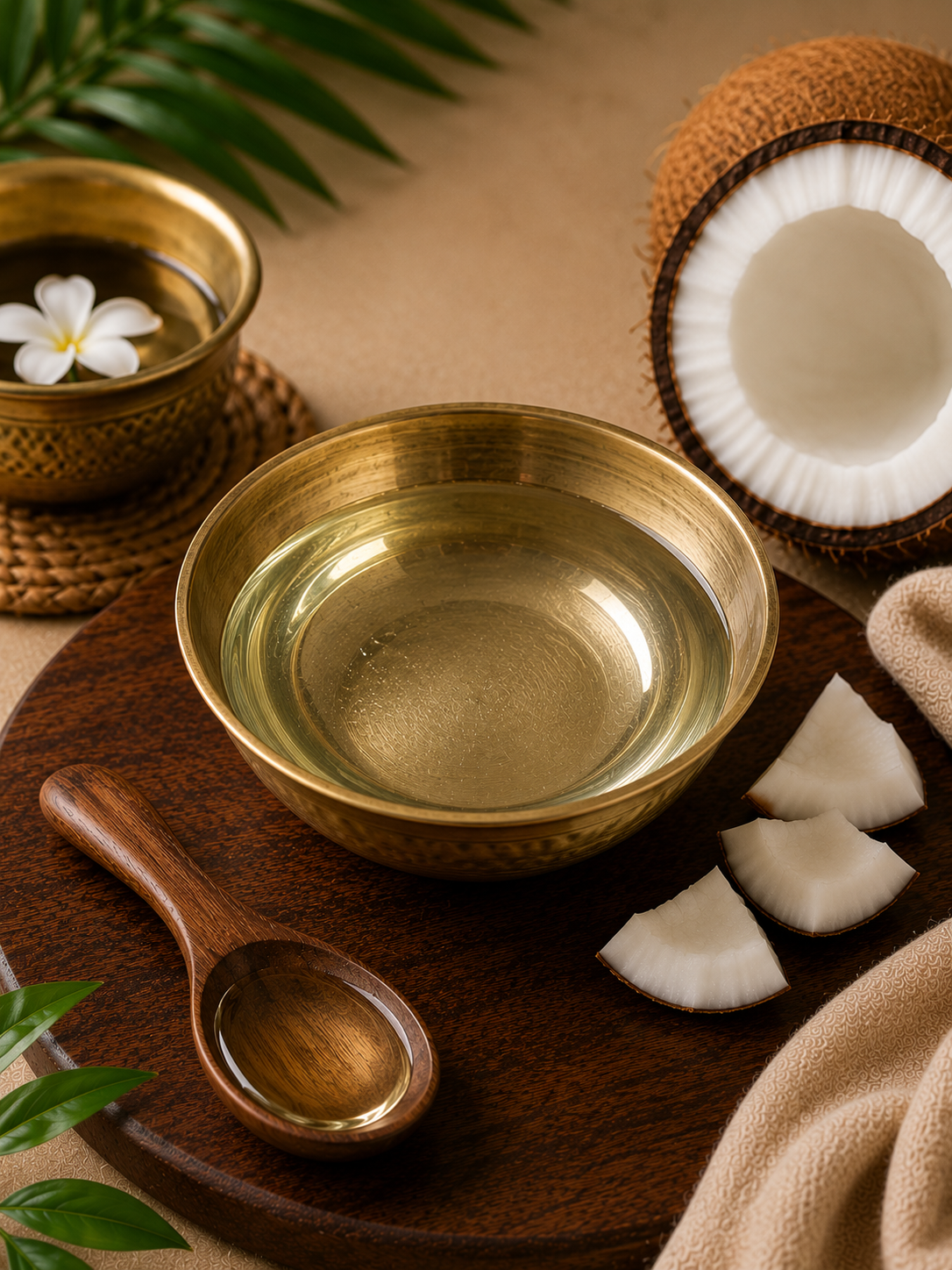
The everyday oil of Indian homes. Traditionally used for daily hair oiling, scalp care and body massage rituals, Coconut Oil has remained…
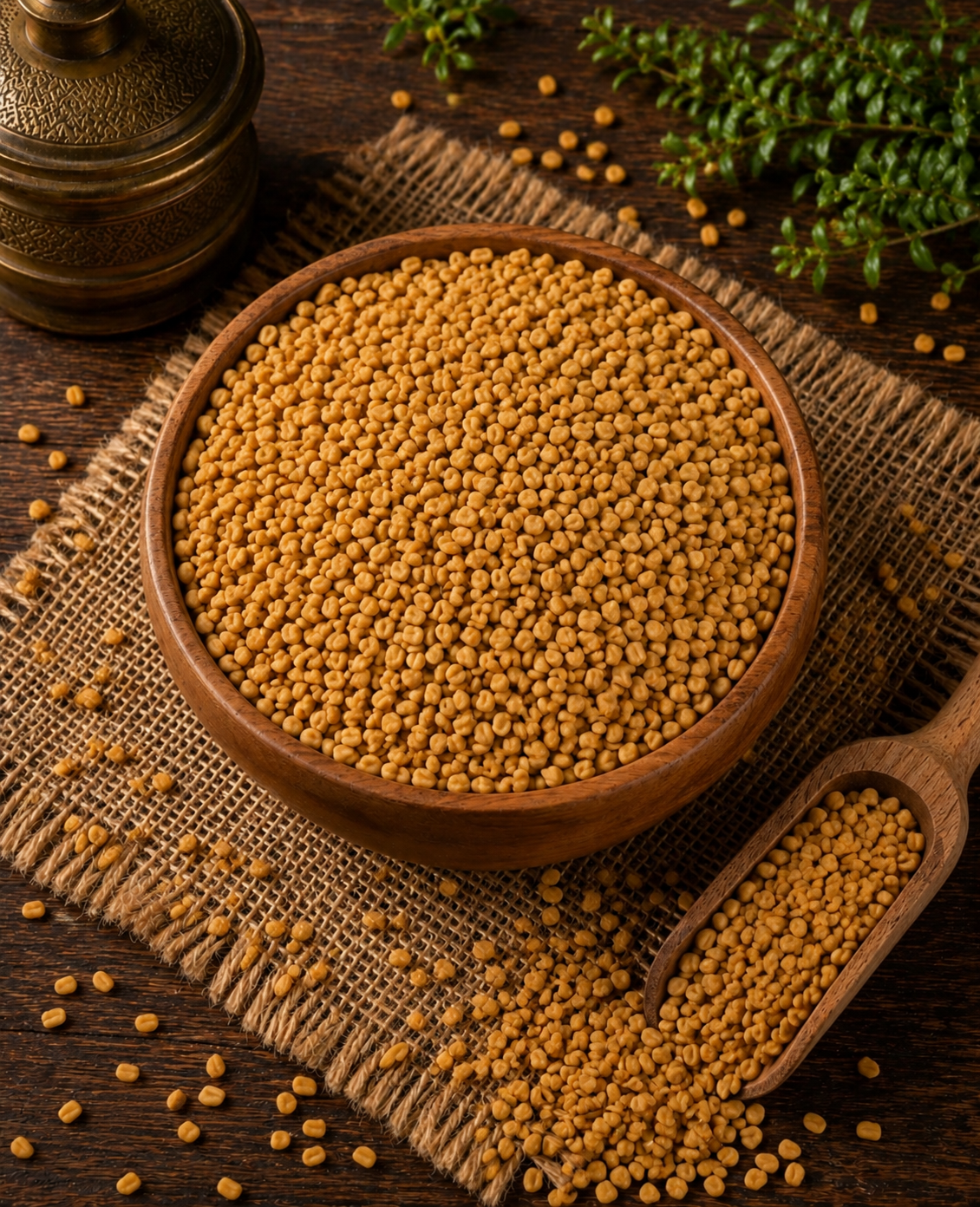
The seed that travelled beyond the kitchen. Traditionally used in cooking, hair-care rituals and skincare preparations, Fenugreek Seeds remain one of the…
No products in the cart.